What Happens at a Dating Scan? A Calm Guide to Timing, Measurements and Next Steps
A clear guide to what a dating scan is for, what may happen during the appointment, and how it can refine pregnancy dates.

A dating scan is often one of the first appointments that makes pregnancy feel more real. It can also bring worry because people know it may confirm a due date, change a week number or lead to more questions. Knowing the basic purpose of the scan can make the appointment feel more manageable.
What a dating scan is for
A dating scan estimates how far along a pregnancy is and checks information that helps the care team plan next steps. Depending on timing and local practice, it may also look for a heartbeat, check whether there is more than one pregnancy and confirm where the pregnancy is located.
What happens in the room
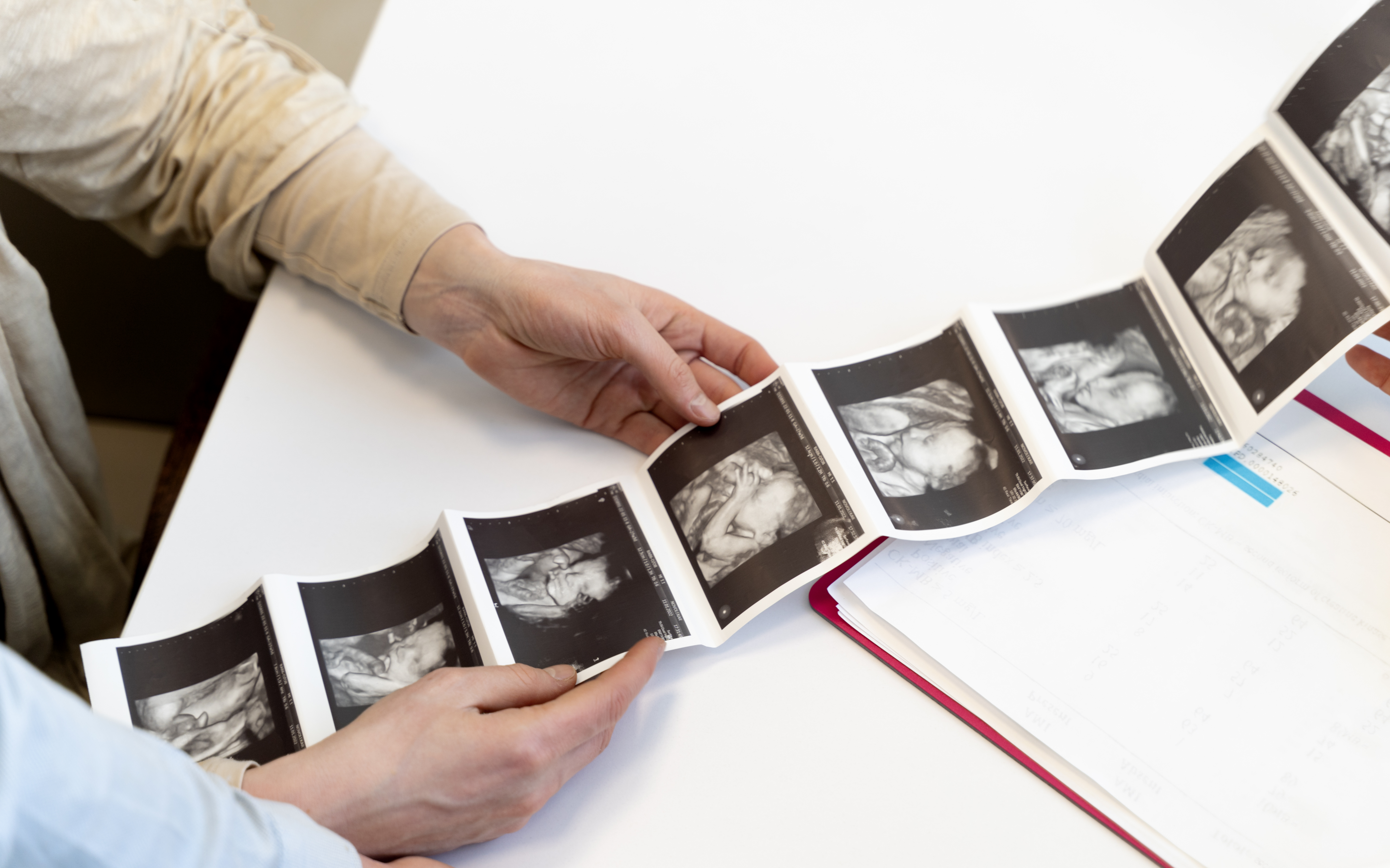
A sonographer uses ultrasound to create images. The scan may be done over the abdomen or, in early pregnancy, internally if that is clinically appropriate and you consent. The appointment can include quiet periods while measurements are taken. Silence does not automatically mean something is wrong.
Measurements and dates
Early measurements can be compared with expected development to estimate gestational age. If that estimate differs enough from the last-period estimate, the clinic may use a revised due date. This often reflects different ovulation timing rather than a problem.
Questions to prepare
Write down a few questions before you go. You might ask what gestational age is recorded, whether the due date has changed, which date to use going forward, and whether there are any next steps. A note on your phone is enough.
After the appointment
Give yourself a little time afterwards if you can. Even a reassuring scan can be emotionally tiring. If you receive technical wording or a follow-up plan, ask the clinic to explain what happens next rather than trying to interpret every detail alone.
The main takeaway
A dating scan helps turn an early estimate into a clearer clinical timeline. It is an appointment for your care team to interpret in context. A calculator can help explain the dates, but it cannot replace the advice given about your own scan.
Practical next steps
Keep the information simple. Save the date your clinic wants you to use, record any questions in one place, and avoid switching between multiple calculators or apps when you are already feeling uncertain. If you receive new scan information, ask what it changes for your timeline and whether you should update your due date. A reliable answer from your own care team is more useful than trying to interpret isolated numbers online.
When to ask for help
Contact your maternity team, GP or relevant clinic if you have a personal medical question, are worried about symptoms, or do not understand a result. A blog post can explain common language and date conventions, but it cannot assess an individual pregnancy. Asking early is not overreacting. It is a sensible way to get information that applies to you.
Keep the goal realistic
The goal of a timeline is not to make pregnancy fully predictable. It is to give you a useful frame for appointments, planning and everyday questions. It is okay if you still feel uncertain sometimes. Use the date as an anchor, then return to what is in front of you today.
Try the calculators
More in Scans & reports
 Building a Week Around Your Next Scan So It Doesn’t Take Over Everything14 August 2026
 How to Read Your Pregnancy Ultrasound Report (Without Panic)30 July 2026
 How Ultrasound Can Change Your Pregnancy Timeline30 July 2026