Mediterranean-Style Eating and Pregnancy Mood: What the Research Means in Everyday Meals
What Mediterranean-style eating means in pregnancy, why it is linked with better mood and sleep in research, and how to use the idea without turning meals into another source of pressure.
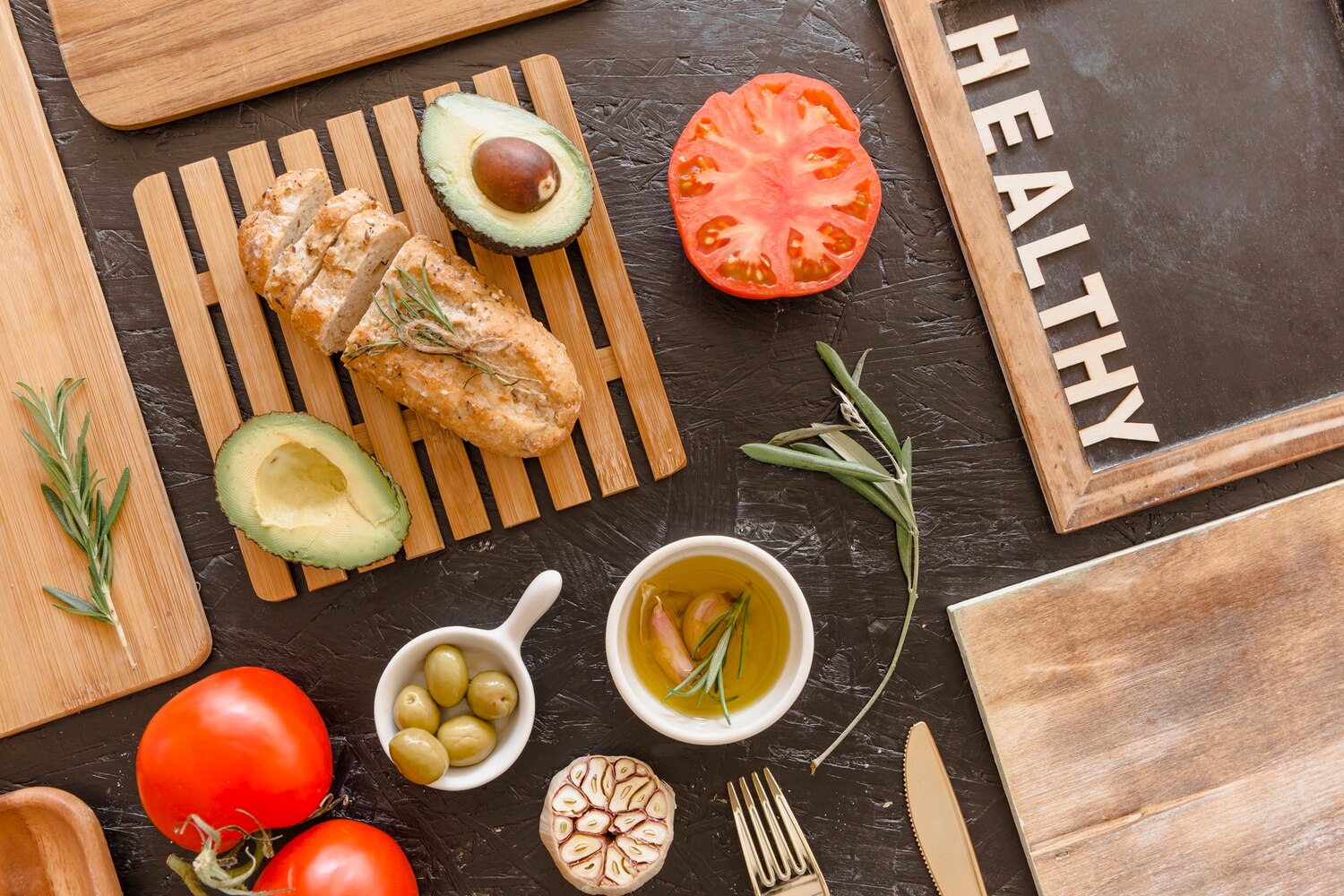
Pregnancy nutrition advice often gets discussed as if the only question is whether a food is allowed or not. But many people are not only trying to eat safely. They are also trying to feel steadier, sleep a little better, avoid energy crashes, and get through the day without feeling physically or emotionally wrung out.
That is where people often hear about Mediterranean-style eating. Research has linked this pattern of eating with better wellbeing in general, and some pregnancy research suggests it may be associated with lower anxiety and better sleep as well. The problem is that once those headlines reach social media, the idea can turn into another pressure-filled standard that sounds expensive, joyless or impossible to maintain.
A better way to think about it is not as a perfect diet, but as a pattern. Mediterranean-style eating is less about one “superfood” and more about what your meals look like most of the time.
What Mediterranean-style eating usually means
At its core, Mediterranean-style eating tends to include:
- more vegetables and fruit,
- more beans, lentils and other pulses,
- more whole grains,
- regular use of olive oil,
- nuts and seeds where suitable,
- fish and seafood within pregnancy-safe guidance,
- moderate dairy,
- and less reliance on heavily processed foods and very sugary foods.
The appeal of this pattern is that it supports steadier meals rather than extreme rules. It tends to increase fibre, healthy fats, and nutrient density while reducing some of the high-sugar, low-satiety patterns that can leave people feeling wired, flat or hungry again very quickly.
That does not mean every Mediterranean-style meal is automatically ideal for every pregnant person. Nausea, aversions, cost, culture, access and appetite all matter. The useful part is the direction of travel, not the fantasy of becoming a completely different eater overnight.
Why researchers care about mood and sleep
Mood and food affect each other more than people often realise. When you are anxious or low, cooking and meal planning get harder. When meals become irregular, low in fibre or built mostly from quick sugar, mood and energy can become more unstable too.
Researchers are interested in Mediterranean-style eating partly because it is associated with patterns that may support mental wellbeing: steadier blood sugar, more fibre, healthier fats, and higher intakes of a range of vitamins and minerals. In pregnancy, some studies have suggested that women following a Mediterranean-style pattern had lower anxiety and better sleep compared with others.
That does not prove that one bowl of lentils will transform your mood. Food is one factor among many: sleep, stress, finances, relationships, previous mental health, hormones and medical issues all matter too. But the pattern is still useful because it gives people something practical to work with that is gentler than chasing “clean eating.”
What this can look like in ordinary meals
Mediterranean-style eating is often presented with an aesthetic that makes it look unrealistic: perfect salads, expensive fish, polished wooden boards and unlimited time. Real life does not need to look like that.
In everyday terms, the pattern might look like:
- porridge with fruit and nuts,
- toast with peanut butter and banana,
- yoghurt with oats and berries,
- bean soup with bread,
- pasta with olive oil, vegetables and grated cheese,
- a baked potato with beans and salad,
- rice with chickpeas, vegetables and a simple sauce,
- salmon or another suitable fish with potatoes and green veg,
- wraps with hummus, chicken and chopped vegetables.
That is much more manageable than the internet version of “reinvent your whole kitchen.”
The mood piece is often about steadiness
One of the most useful ways to translate the research is to stop asking, “Is this a Mediterranean meal?” and start asking, “Will this meal help me feel steadier?”
Steadier often means:
- not skipping meals and then getting overhungry,
- having some fibre and protein rather than only quick sugar,
- using fats that keep meals satisfying,
- including foods that release energy more slowly,
- and making it easier to eat consistently through the day.
That matters because pregnancy itself can destabilise routines. Nausea, heartburn, fatigue and changing appetite can all make meals feel chaotic. A steadier eating pattern does not solve every mood problem, but it can remove one source of daily volatility.
Small swaps work better than a total reset
People often hear about a healthy eating pattern and then try to overhaul everything in one week. That usually creates friction, waste and disappointment.
A more realistic method is to choose two or three small shifts:
- olive oil instead of always using butter for cooking,
- adding beans or lentils to one or two meals a week,
- switching one snack from biscuits alone to yoghurt and fruit,
- swapping some white bread or pasta for wholegrain when it feels tolerable,
- keeping chopped fruit, nuts or hummus easier to grab,
- building one reliable lunch you can repeat.
These changes sound small because they are. But small, repeated choices shape a pattern much more reliably than a burst of motivation.
What if you feel too sick or tired for this?
This matters a lot: if nausea, aversions or exhaustion are making food difficult, the most useful meal is often the one you can actually eat. Pregnancy is not the time to punish yourself for not eating like a textbook.
If only bland foods feel manageable right now, start there. The gentlest version of Mediterranean-style eating might simply mean adding one thing rather than redesigning everything. For example:
- toast becomes toast plus yoghurt later,
- pasta becomes pasta with olive oil and peas,
- crackers become crackers plus cheese,
- plain cereal becomes cereal with fruit when possible.
That still counts as movement in a helpful direction. The point is not purity. The point is support.
Cost and convenience count too
Mediterranean-style eating can sound expensive if it is framed around specialty ingredients. It does not need to be.
Budget-friendly versions include:
- tinned beans and lentils,
- frozen vegetables,
- oats,
- wholegrain toast,
- yoghurt,
- eggs if suitable for you,
- tinned fish that fits pregnancy guidance,
- cheap fruit such as bananas or apples,
- olive oil used in small amounts,
- soups and stews built from pantry staples.
Convenience matters as well. If a food pattern only works when you have perfect energy and lots of time, it is not a very compassionate pattern for pregnancy.
Keep food out of the perfection trap
The reason this eating pattern can be helpful for mood is partly because it is flexible. The moment you turn it into a moral test, some of its mental-health value disappears.
Mediterranean-style eating does not require:
- never eating comfort food,
- never having dessert,
- cooking every meal from scratch,
- buying expensive ingredients,
- or feeling guilty when you choose what is easiest.
In fact, guilt and rigidity often make food feel harder, not healthier. A calm meal pattern leaves room for convenience, preference and difficult days.
A useful way to apply the idea
If you want to use the research without getting lost in diet culture language, keep it simple. For each meal, ask:
- Can I add a plant food here?
- Can I make this a bit more filling with protein, fibre or healthy fat?
- Can I make the next meal easier instead of aiming for perfection now?
That is enough. Over time, those questions lead to meals that are closer to the pattern linked with better wellbeing, without making food feel like a project.
Pregnancy already asks a lot of your mind and body. If Mediterranean-style eating helps at all, it is not because it makes you flawless. It is because it can make everyday eating steadier, kinder and a little less chaotic.
Try the calculators
More in Food & drink
 Pregnancy Food Rules Everywhere: How to Stay Sane Without Ignoring Safety15 August 2026
 Caffeine, Sleep and Anxiety in Pregnancy5 August 2026