Pregnancy Food Rules Everywhere: How to Stay Sane Without Ignoring Safety
A practical guide to pregnancy food guidance, how to focus on the risks that matter, and how to avoid turning every meal into a source of stress.
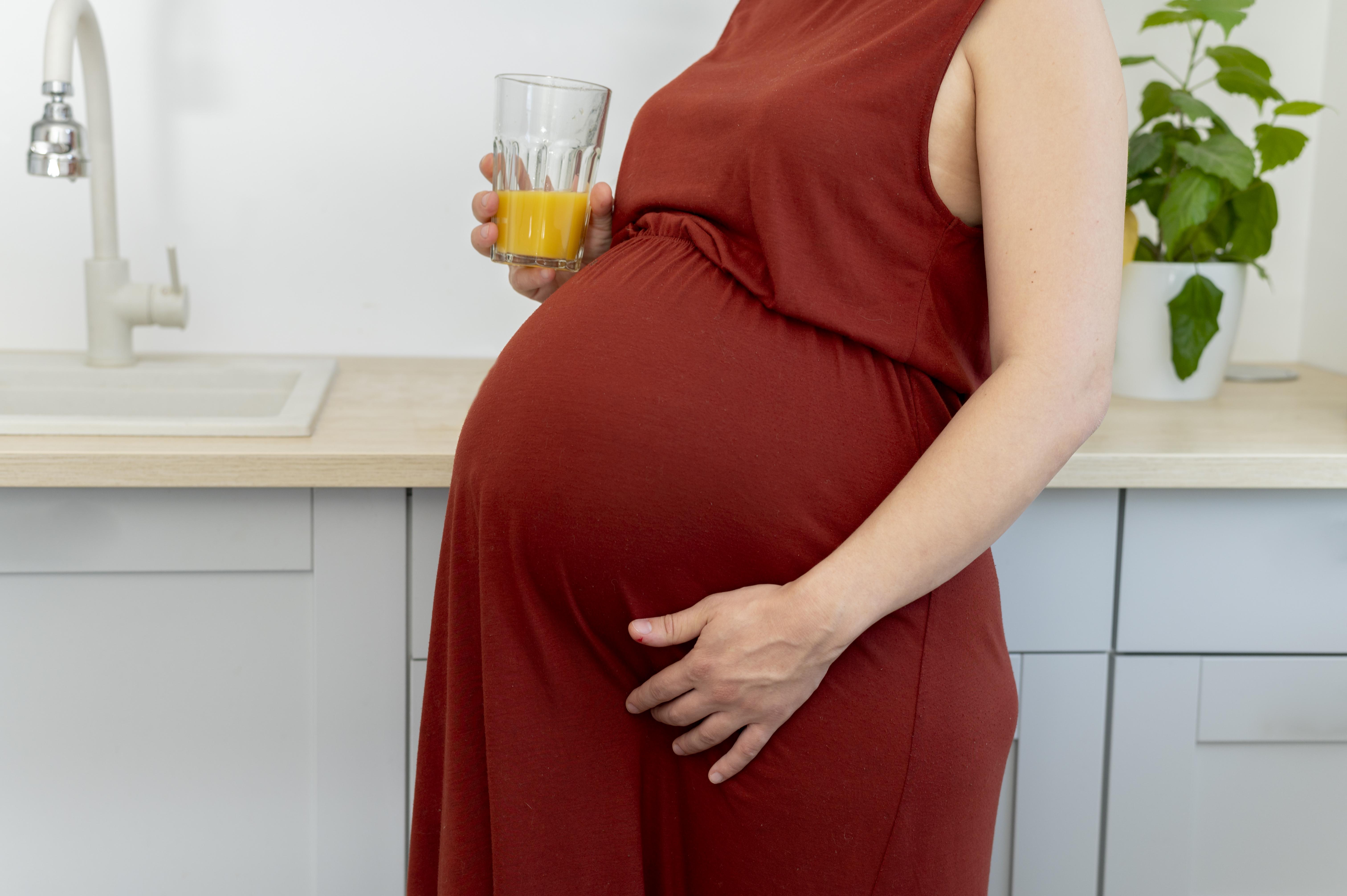
Pregnancy can make food feel strangely high-stakes. One article says to avoid one thing, a social post warns about something else, a friend swears she was told a different rule, and suddenly an ordinary lunch can feel like an exam you did not revise for.
That confusion is real. Food guidance in pregnancy exists for good reasons, but the internet often turns a handful of sensible precautions into a giant cloud of fear. The result is that people can end up spending more energy worrying about food than actually eating well.
The calmer approach is not to ignore food safety, and it is not to memorise every warning ever posted online. It is to understand the small number of risks that matter most, follow a trusted set of guidelines, and stop treating every bite as a referendum on whether you are doing pregnancy properly.
Why the rules feel endless
Pregnancy food rules often feel bigger than they are because they come from several different buckets at once. Some foods are mentioned because of food poisoning risks, some because of bacteria such as listeria or salmonella, some because of parasites, some because of contaminants like mercury, and some because of alcohol or caffeine content.
Once all of those get mixed together online, the message people hear becomes: everything is risky. That is rarely the most useful way to think about it. A much better question is: what is the main issue with this food, and is it something I can manage by avoiding it, cooking it properly, or choosing a different version?
That framing cuts down panic quickly. Instead of thinking “food is dangerous,” you can think “certain categories need a bit more care.” That is a very different emotional experience.
The few safety themes that matter most
Most official guidance comes back to the same core themes.
- Avoid foods with a higher risk of harmful bacteria if they are unpasteurised, undercooked or poorly stored.
- Be careful with foods linked to listeria risk, including some ready-to-eat chilled products depending on local guidance.
- Cook meat, eggs and seafood properly unless your national guidance explicitly says a certain form is acceptable.
- Limit high-mercury fish and choose lower-mercury options more often.
- Avoid alcohol in pregnancy.
- Keep caffeine within the recommended limit given by your care team or national guidance.
That is the real shape of the advice. It is not “there are 700 secret things that can hurt your pregnancy.” It is “a few food-safety and exposure categories deserve extra attention.”
Pick one trusted rulebook
One of the fastest ways to lower food stress is to stop mixing too many sources. If you read UK guidance, US guidance, influencer content, Reddit threads and old forum posts all at once, you will almost always end up more confused.
Pick one main source of truth based on where you live and where you receive care. That could be the NHS, your national maternity guidance, your hospital, or your midwife or OB team. Use that as your home base.
Then use a simple filter for everything else:
- Does this match my main trusted source?
- Is this specific to my country or healthcare system?
- Is this a general food-safety point or just internet panic?
- If it conflicts, would my own care team be the better tie-breaker?
This matters because online pregnancy content often removes context. A warning that makes sense in one country, one outbreak, or one healthcare setting can spread online as if it applies everywhere forever.
Safety without obsession
There is a difference between being careful and becoming trapped in food anxiety. Careful looks like checking labels, storing leftovers properly, washing produce, cooking high-risk foods thoroughly, and making a few sensible swaps. Obsession looks like repeatedly searching every ingredient, avoiding entire food groups “just in case,” skipping meals because nothing feels safe enough, or replaying what you ate hours later trying to decide whether you made a mistake.
That second pattern can quietly become more harmful to your daily life than the food decision itself. If every meal ends with guilt or spiralling thoughts, the issue is no longer only nutrition or safety. It is also stress.
A useful rule is this: make one clear decision, then move on. If a food is fine under your chosen guidance, eat it without reopening the case ten times. If it is not recommended, swap it out and carry on. Rechecking everything does not create perfect safety; it often just creates exhaustion.
What “good enough” eating really means
Many pregnant people end up thinking there are only two options: perfect clean eating or total failure. Real life is much less dramatic.
Good enough eating in pregnancy usually looks like this:
- Most meals are reasonably balanced over the course of a week, not every single plate.
- Food is handled and stored safely.
- Major avoidable risks are taken seriously.
- You eat regularly enough to support energy, mood and day-to-day functioning.
- You do not punish yourself for occasional convenience food, cravings or imperfect days.
This matters because a lot of food worry is really perfectionism wearing a health label. Pregnancy can make people feel as though every choice must be optimised. But bodies are not managed like spreadsheets. What usually helps most is consistency, not intensity.
Practical ways to make food feel simpler
If food has started to feel mentally loud, reduce the number of decisions.
Try a few of these:
- Build 5 to 8 repeat meals you know are safe, easy and tolerable.
- Keep low-effort staples at home: yoghurt, bread, oats, soup, pasta, eggs if suitable for you, fruit, nut butter, crackers, hummus, frozen veg.
- Make a short “safe takeaway” list for tired days so you are not making stressed decisions when hungry.
- Save one official food guidance page on your phone instead of searching from scratch every time.
- Ask your midwife or clinician about any personal restrictions that actually apply to you, rather than assuming every warning is relevant.
This is especially useful if nausea, aversions, heartburn or anxiety are narrowing what feels manageable. The aim is not to create the world’s most virtuous menu. It is to make eating safer and easier.
When a food mistake happens
Almost everyone has a moment in pregnancy when they realise they ate something they are now not sure about. Maybe it was a soft cheese, a bagged salad, deli meat, too much caffeine one day, or a runny egg from a café. The instinct is often to panic immediately.
A calmer response is better:
- Work out what you actually ate, how much, and when.
- Check your trusted source, not five random websites.
- If the concern is real or you have symptoms, contact your midwife, GP, maternity unit or other relevant clinician.
- Do not assume one uncertain meal equals harm.
Most anxiety comes from uncertainty, not from facts. Once you move from vague fear to a specific question, the situation usually becomes easier to assess.
Keep the focus where it belongs
The purpose of pregnancy food guidance is to lower meaningful risk, not to make food joyless. A calm pregnancy food approach is boring in the best way: a few clear safety habits, a few known limits, and a willingness to stop treating every meal like an emergency.
If food rules are starting to dominate your day, it may help to step back and ask whether you are still following guidance or whether the guidance has turned into a constant mental background alarm. Those are not the same thing.
The healthier middle ground is completely allowed: careful, informed, and not consumed by it.
Try the calculators
More in Food & drink
 Mediterranean-Style Eating and Pregnancy Mood: What the Research Means in Everyday Meals9 August 2026
 Caffeine, Sleep and Anxiety in Pregnancy5 August 2026