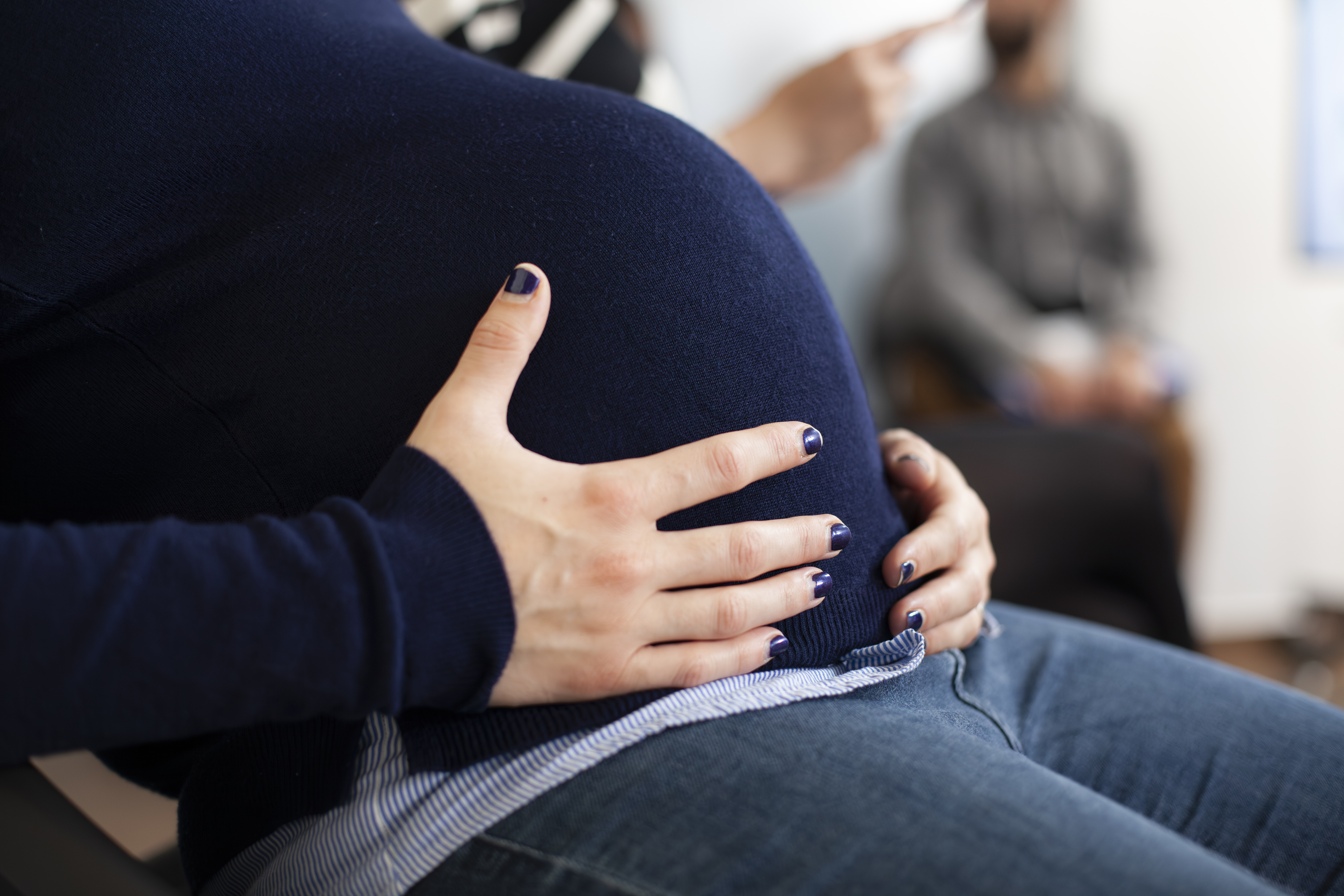
Pregnancy Anxiety and Comfort Eating
Why stress can change eating patterns in pregnancy, and gentle ways to respond without guilt.
Pregnancy Anxiety and Comfort Eating
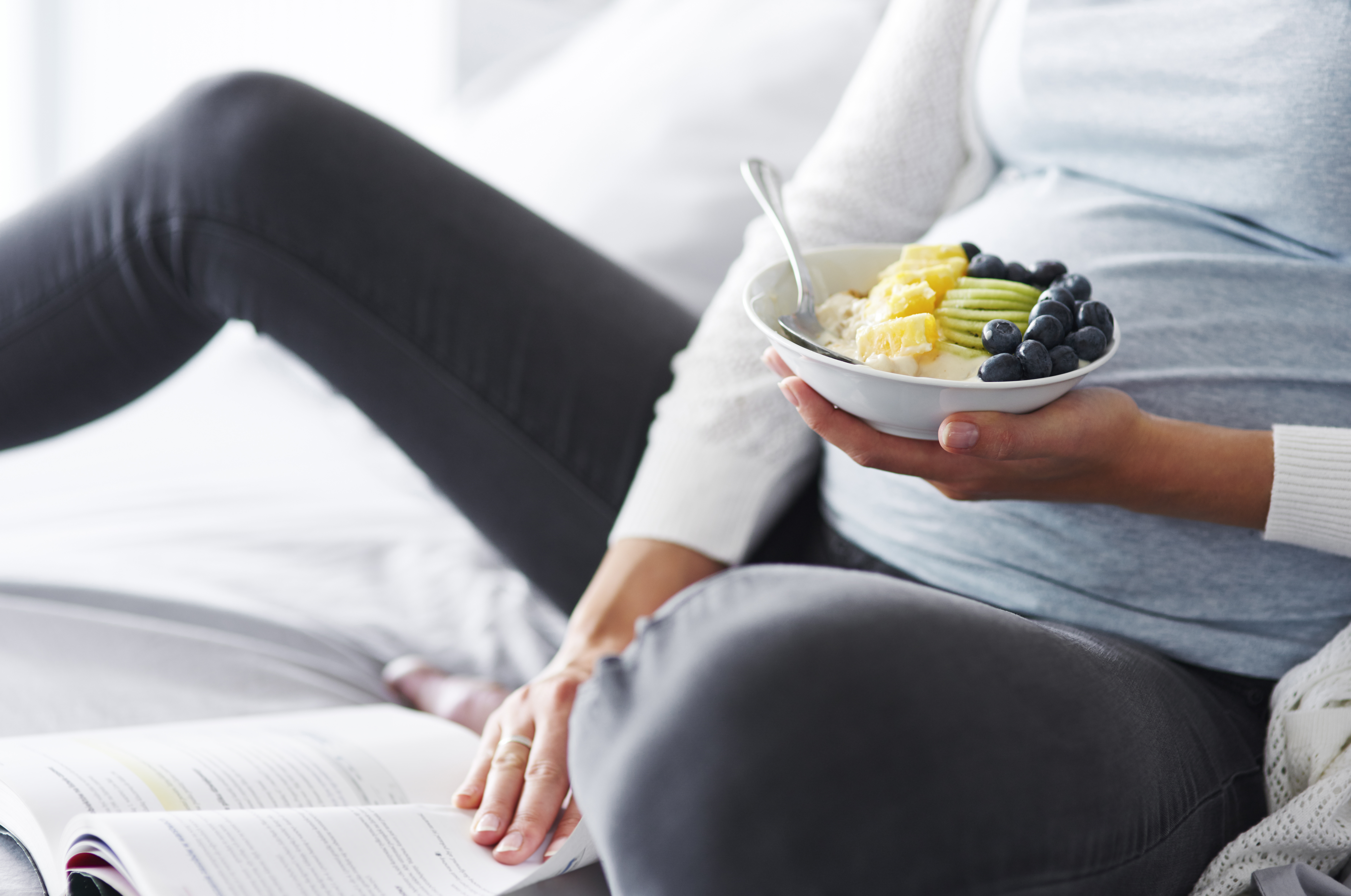
Pregnancy can make emotions feel louder, and for some people that changes the way they eat. You might find yourself snacking more when you feel worried, eating less when your stomach is in knots, or thinking about food in a more emotional way than usual.
That does not mean you are doing pregnancy “wrong.” Stress, uncertainty, tiredness and body changes can all affect appetite, routines and cravings. For many people, eating becomes less about hunger alone and more about getting through a demanding day.
Why it happens
Anxiety can change daily habits in small ways that build up over time. You might skip meals, graze all day, crave quick comfort foods, or feel too overwhelmed to plan proper meals.
Pregnancy can also bring nausea, food aversions, changing energy levels and sleep disruption. When that happens, eating patterns often become more about what feels manageable than what looks ideal on paper.
Comfort eating can also have an emotional purpose. A familiar snack, a sweet drink or a repetitive food routine can feel predictable when other parts of pregnancy feel uncertain.
Common patterns
Some people eat more when they feel stressed. Others lose their appetite completely. Some switch between the two.
You might notice patterns like:
- Eating more at night after a tense day.
- Wanting highly familiar foods when you feel overwhelmed.
- Reaching for quick carbohydrates when you are tired.
- Feeling guilty after eating, then becoming even more anxious.
- Overthinking every food choice because pregnancy advice feels endless.
These patterns are common, especially when you are carrying a lot mentally as well as physically.
A gentler way to respond
It usually helps to aim for steadiness, not perfection. Instead of trying to “fix” your eating in one go, focus on making the next choice a little easier.
A few gentle resets can help:
- Eat something simple if a full meal feels too hard, such as toast, yoghurt, fruit or soup.
- Keep easy snacks nearby so you do not wait until you feel desperate.
- Try pairing comfort foods with something filling rather than banning them.
- Notice whether tiredness, loneliness or worry is driving the urge to eat.
- Build tiny routines, like having breakfast within an hour of waking or planning one reliable afternoon snack.
The goal is not to become perfectly disciplined. The goal is to make your days feel more supported and less chaotic.
When guilt makes things worse
Food guilt can quickly turn one difficult moment into a full day of stress. If you find yourself thinking “I’ve already messed up today,” it can help to pause and replace that thought with something more neutral.
For example:
- “I was stressed, so I chose what felt easiest.”
- “One snack or one meal does not define my pregnancy.”
- “I can make the next meal a bit more balanced without punishing myself.”
That kind of self-talk can sound small, but it often reduces the pressure that keeps the cycle going.
When to ask for support
Sometimes changes in eating are mainly about routine and stress. Sometimes they are a sign that anxiety is becoming harder to carry alone.
It is worth speaking to your midwife, GP or maternity team if:
- anxiety is affecting your eating most days,
- you are frequently skipping meals,
- you feel stuck in bingeing or restricting patterns,
- food thoughts are taking over your day,
- or your mood feels persistently low or panicky.
You do not need to wait for things to feel severe before asking for help. Support for mental health in pregnancy matters just as much as support for physical symptoms.
A calmer goal
Pregnancy does not require perfect eating. It asks a lot of your body and mind, and some days “good enough” is genuinely enough.
If anxiety is affecting the way you eat, the most helpful response is usually not more pressure. It is more structure, more kindness and more support.