Why Your Week Number Can Change After a New Scan
A focused explanation of why your pregnancy week number may be updated after an ultrasound and what that means for your timeline.
It can be surprising to be told you are a different number of weeks pregnant than you thought, especially if the change happens after a scan. One day you may believe you are 11 weeks, and the next day a sonographer says you are 12 weeks. This adjustment usually reflects refined information rather than a sudden jump in your pregnancy.
Important: This is general information only. It cannot replace advice from your midwife, obstetrician or fertility team. Always discuss your own dates and care plan with a healthcare professional.
How week numbers are first estimated
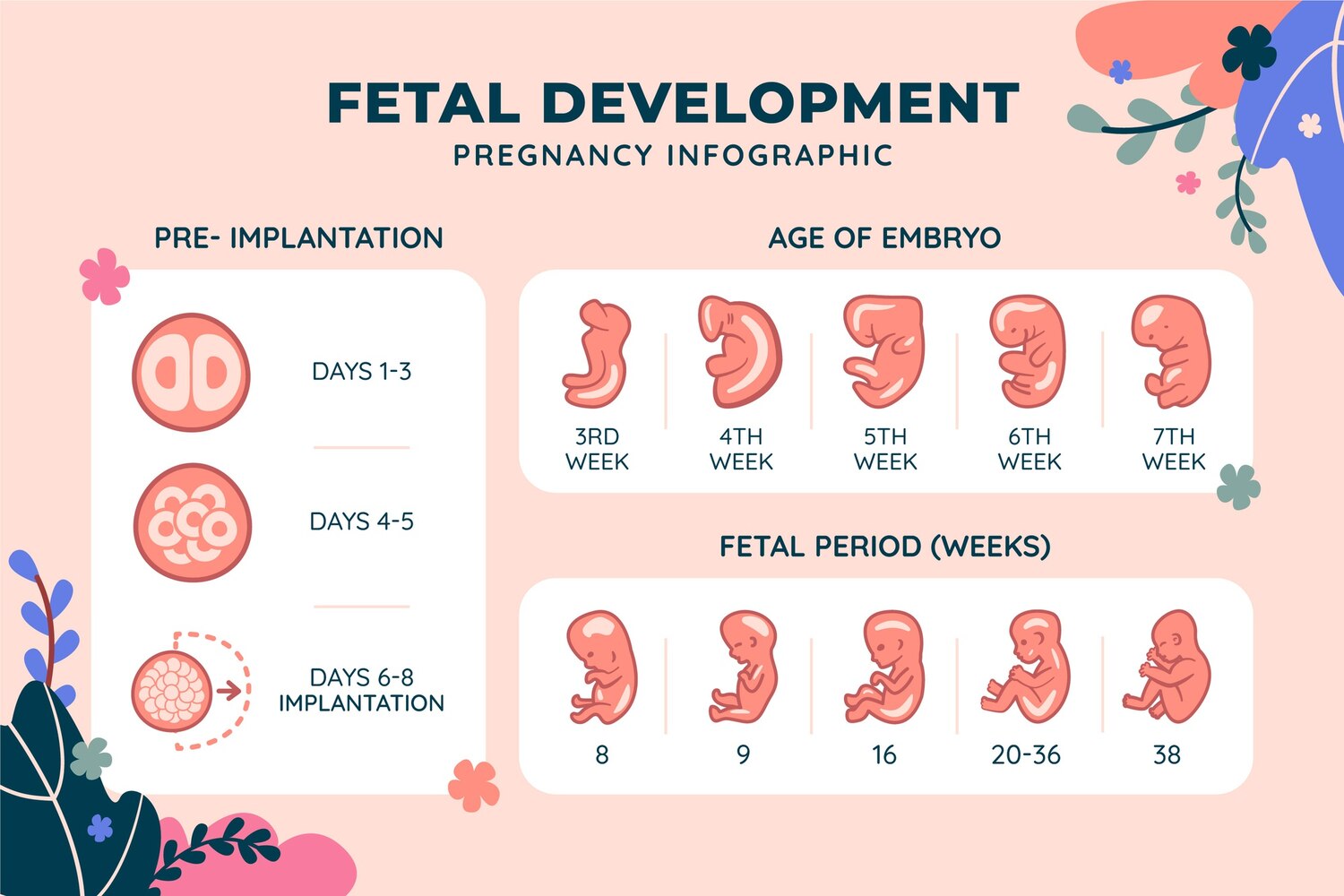 At first, week numbers are often based on:
- The first day of your last menstrual period (LMP).
- An assumption about cycle length, often 28 days.
- A due date calculated by adding 280 days (40 weeks).
This gives a gestational age in weeks and days that is useful for early planning.
What a new scan adds
When you have an ultrasound:
- The sonographer measures the baby’s size.
- They compare this with standard growth charts.
- From this, they estimate gestational age on the day of the scan.
If this estimate differs meaningfully from the LMP-based timeline, your healthcare team may adjust your week number and due date to align with the scan.
Why the number can move up or down
Your week number can change because:
- Your cycles may be longer or shorter than assumed.
- The LMP date may have been uncertain.
- Ovulation and implantation may have occurred earlier or later than typical patterns.
By tying the week number to how the baby is measuring, the scan provides a personalised update.
What this means for your timeline
After the update:
- Your new week number becomes the reference point for future visits and tests.
- Apps and calculators may need to be adjusted by entering your updated due date.
The pregnancy itself has not suddenly sped up or slowed down; only the way it is described in weeks has been refined.
A calm way to respond
If your week number changes and you feel uncertain:
- Ask your healthcare provider what information led to the update.
- Note the new due date and week number so you can use them in any tools you rely on.
- Remember that these numbers are tools to support your care, not judgments about you or your baby.
Small shifts in week number are a normal part of aligning your pregnancy timeline with the best available information.
Try the calculators
More in Scans & reports
 What Happens at a Dating Scan? A Calm Guide to Timing, Measurements and Next Steps24 September 2026
 Building a Week Around Your Next Scan So It Doesn’t Take Over Everything14 August 2026
 How to Read Your Pregnancy Ultrasound Report (Without Panic)30 July 2026