Early, Full and Late Term: What Those Pregnancy Labels Mean
A plain-language explanation of what early term, full term and late term mean, without giving individual medical advice.
During pregnancy you may hear phrases like “early term”, “full term” or “late term”. These labels can sound worrying if you are not sure what they mean. They are simply ways of describing where a pregnancy sits in a broad window around the due date, rather than exact judgments about you or your baby.
Important: This is general information only. It cannot replace advice from your midwife, obstetrician or fertility team. Always discuss your own dates and care plan with a healthcare professional.
Why pregnancies are grouped into “terms”

Pregnancy is often described as lasting about 40 weeks from the first day of the last menstrual period. In practice, many healthy pregnancies result in birth somewhere between about 37 weeks and 42 weeks.
To make sense of this range, clinicians and researchers use labels:
- To describe patterns across many pregnancies.
- To guide general discussions about risks and benefits.
- To help plan care in a consistent way.
These labels are about timing, not about whether you have done anything “right” or “wrong.”
What “early term” generally means
In many guidelines, early term refers to births that happen a little before the classic 40‑week mark but still after the baby is considered preterm.
- It is a way of acknowledging that babies born in this window may have slightly different needs than those born closer to 40 weeks.
- The exact week range and how clinicians use it can vary between countries and healthcare systems.
Your healthcare team can tell you how these terms are used in your region and what they mean for your own care.
What “full term” generally means
Full term is often used to describe pregnancies that reach around the due date window:
- Births in this range are commonly used as the reference point when talking about typical outcomes.
- Many educational materials describe growth and development with full‑term pregnancies in mind.
Even within full term, there is room for variation. Some babies arrive a little earlier, some a little later, and both can be completely healthy.
What “late term” generally means
Late term is a label used when pregnancy extends beyond the usual due date window:
- It acknowledges that continuing the pregnancy further into this range may involve a different balance of risks and benefits.
- Different healthcare systems have different approaches to monitoring and decision‑making in this situation.
If your pregnancy goes past your estimated due date, your care team will discuss the options that are appropriate for you, based on local guidelines and your individual circumstances.
How calculators relate to these labels
Due date and gestational age calculators:
- Use your dates to estimate when these windows begin and end.
- Show approximate labels (“term”, “post‑term”) based on standard definitions.
These tools are useful for understanding where you are in the general timeline, but they do not replace personalised discussions with your healthcare provider about what is right for you.
A gentle reminder
Hearing words like “early term” or “late term” can feel confronting, especially if you were expecting a single, exact due date. Remember that:
- These labels describe ranges, not verdicts.
- Many babies are born healthy across a span of weeks around the due date.
- Your care team is there to explain what each label means in your specific context, and to support you through any decisions that need to be made.
Try the calculators
More in Pregnancy weeks
 Pregnancy Weeks vs Months: Why the Numbers Never Match Perfectly10 September 2026
 Why Pregnancy Is Counted From Your Last Period, Not Conception3 September 2026
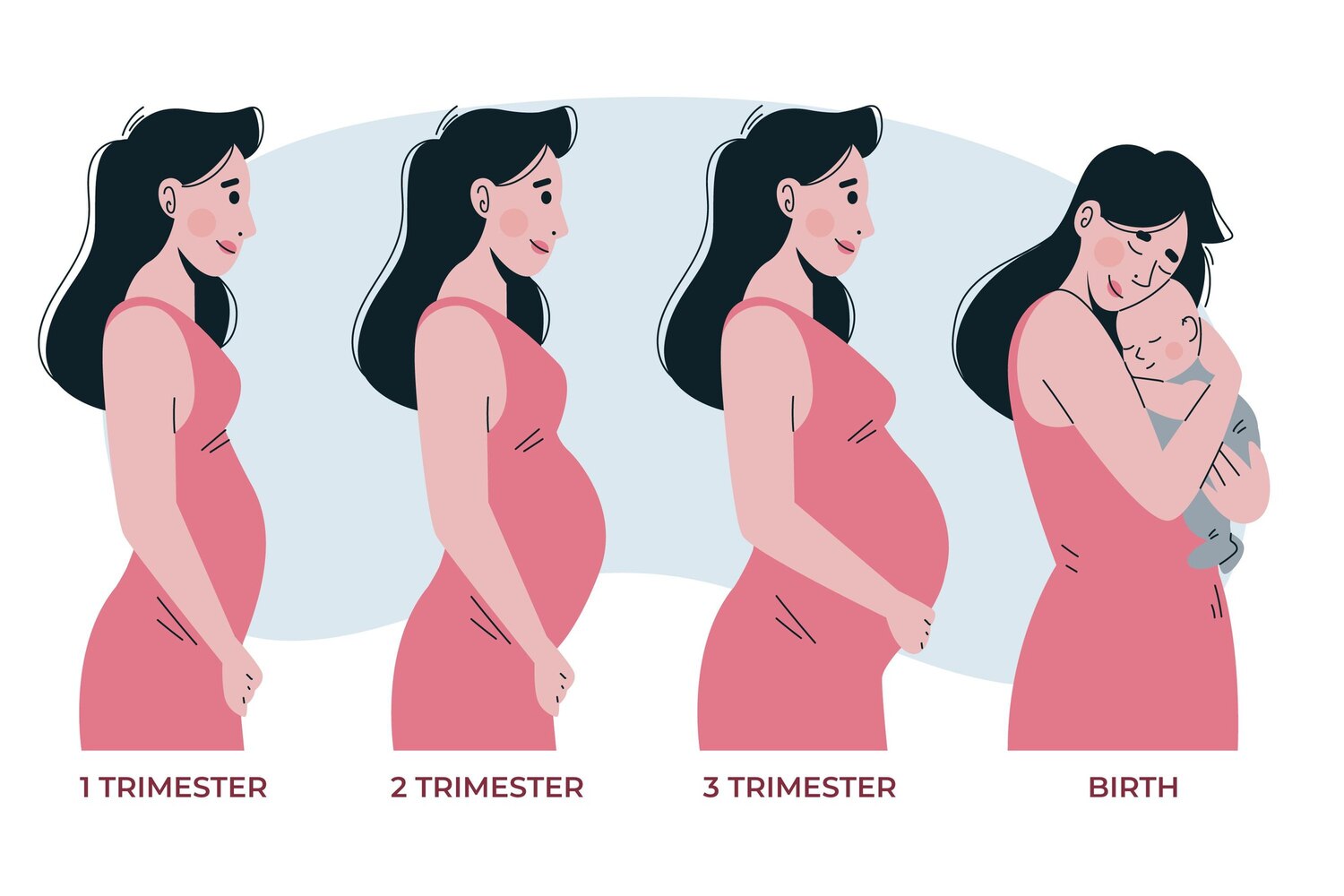 Understanding Trimester Boundaries: Where One Stage Ends and Another Begins24 July 2026