Understanding Trimester Boundaries: Where One Stage Ends and Another Begins
A simple guide to how first, second and third trimesters are defined in pregnancy, and what these boundaries mean in practice.
Pregnancy is often described in three parts: first, second and third trimester. You may hear people say things like “you’re nearly in your second trimester” or “this test is offered in the third trimester”. Understanding how these trimesters are defined can make calendars, apps and clinic conversations easier to follow.
Important: This is general information only. It cannot replace advice from your midwife, obstetrician or fertility team. Always discuss your own dates and care plan with a healthcare professional.
Why pregnancy is divided into trimesters
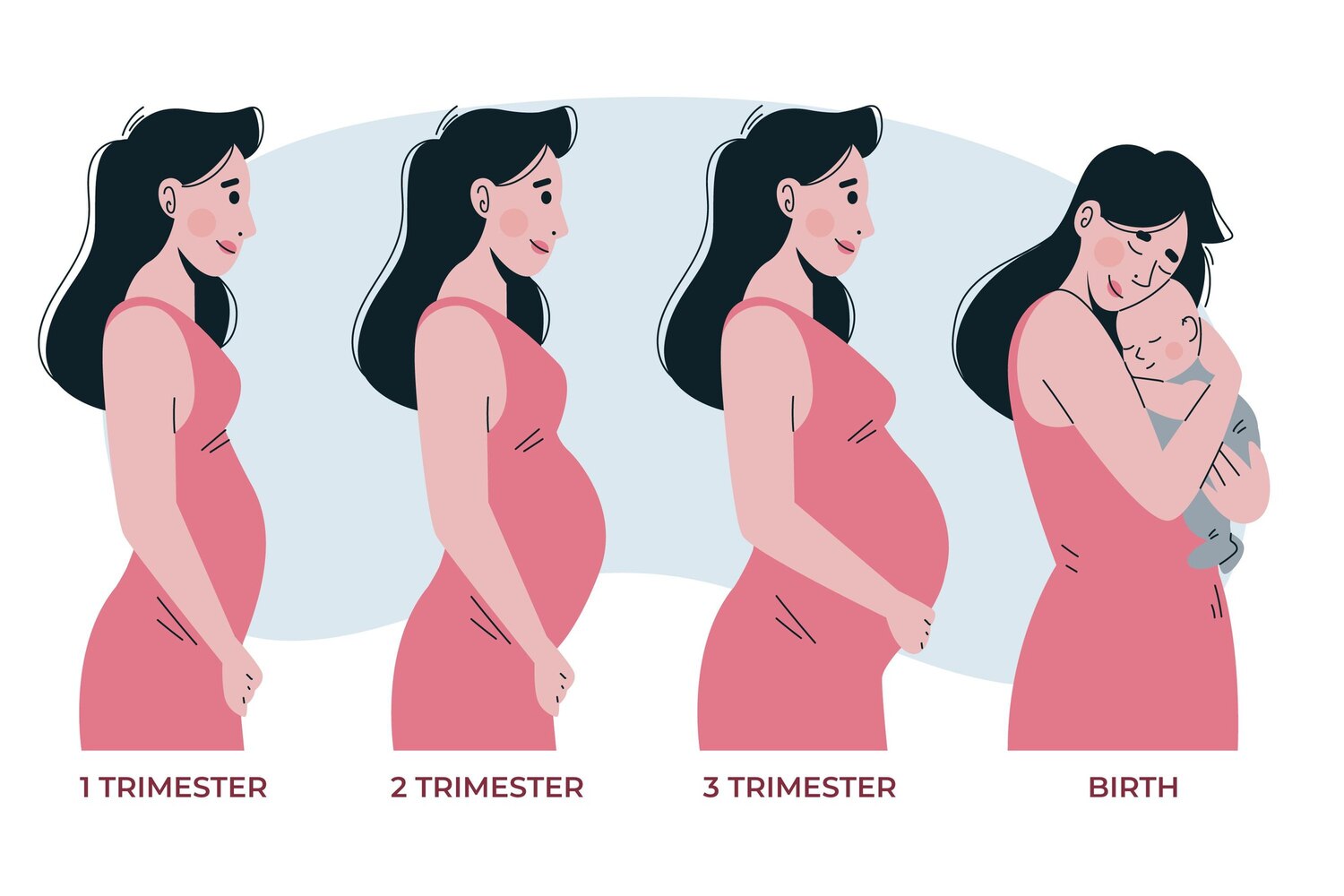
The idea of trimesters is a simple way to:
- Group stages of development.
- Organise routine care and tests.
- Give a rough structure to what can be a long journey.
Different healthcare systems and sources sometimes place the exact boundaries slightly differently, but the overall concept is the same: early, middle and later stages.
General patterns of trimester boundaries
Many sources define:
- The first trimester as covering the early weeks from conception through around the end of the first third of pregnancy.
- The second trimester as the middle portion.
- The third trimester as the final stretch leading up to birth.
Some guidelines use specific week numbers; others refer more broadly to early, middle and late pregnancy. Your healthcare team can tell you which definition they use and why.
What changes between trimesters
Each trimester is associated with different types of:
- Symptoms and physical changes for the pregnant person.
- Developmental milestones for the baby.
- Routine appointments, blood tests and scans.
For example:
- Early visits may focus on confirming the pregnancy and estimating the due date.
- Middle visits may include anatomy scans and certain screening tests.
- Later visits often focus on monitoring growth, movements and preparations for birth.
These are patterns, not strict rules; the exact plan depends on your individual circumstances and local practice.
How calculators use trimesters
Pregnancy calculators and apps often:
- Show which trimester you are currently in.
- Change the type of information they highlight based on that stage.
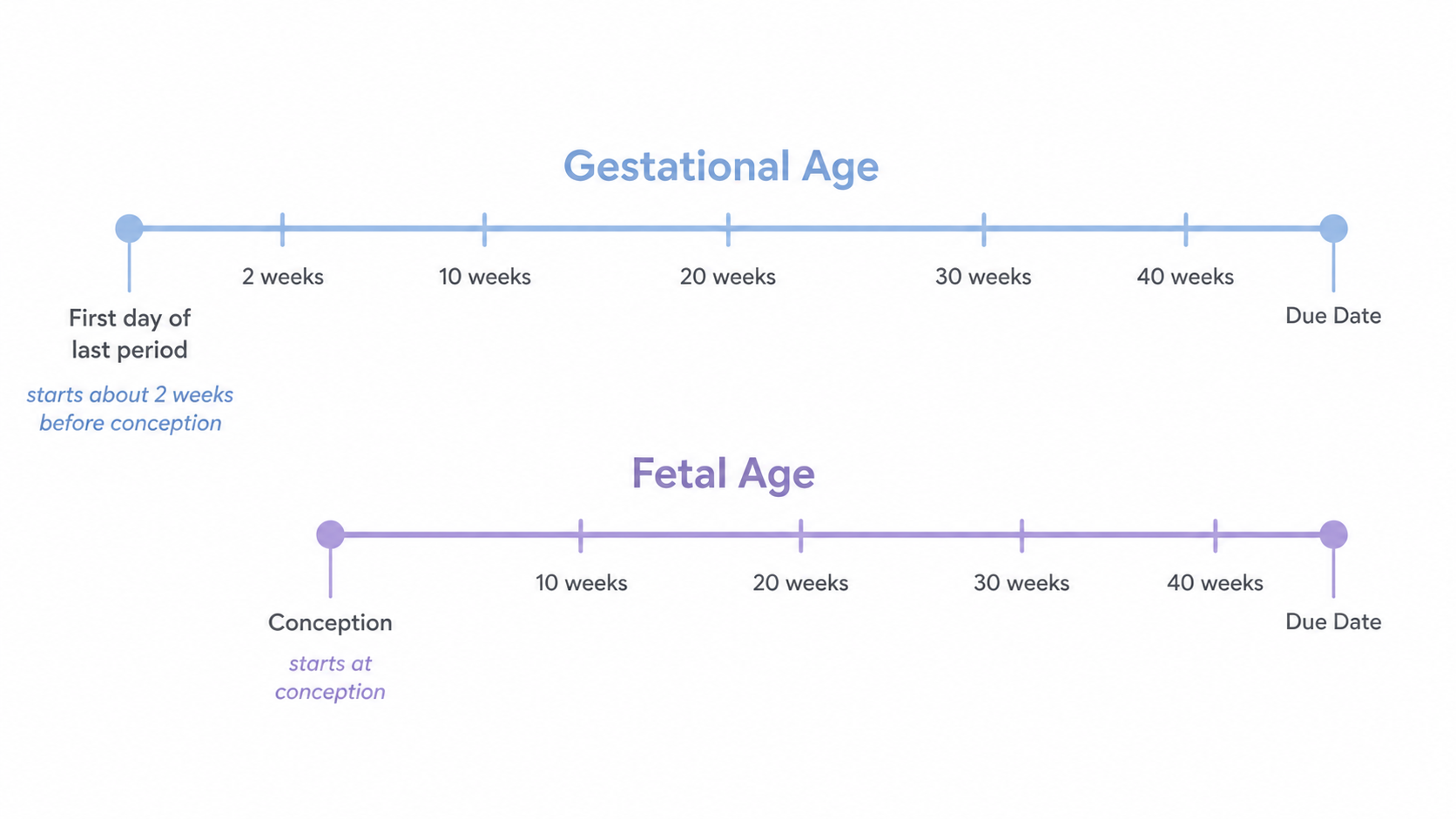
- Use your gestational age and due date to switch you from one trimester label to another at certain week boundaries.
If different tools place trimester boundaries slightly differently, you may see small discrepancies, but the underlying pregnancy is the same.
A gentle way to use trimester labels
For many people, thinking in trimesters:
- Provides a sense of structure and progress.
- Helps break the pregnancy into manageable segments.
- Offers a way to understand why certain tests or visits happen when they do.
At the same time, it is perfectly okay if the exact week when you “enter” a new trimester feels less important than how you and your baby are actually doing. Your care team is there to guide you through each stage, whatever labels are used.
Try the calculators
More in Pregnancy weeks
 Pregnancy Weeks vs Months: Why the Numbers Never Match Perfectly10 September 2026
 Why Pregnancy Is Counted From Your Last Period, Not Conception3 September 2026
 Gestational Age vs Fetal Age: Why They’re Different23 July 2026