How Many Weeks Pregnant Am I? Understanding the Number
A calm walkthrough of what “weeks pregnant” means, why it starts before conception, and why different tools sometimes show different week numbers.
Seeing “You are 8 weeks and 3 days pregnant” on a screen can feel very precise, especially if you only found out about the pregnancy a short time ago. For many people, the week number feels higher than expected or does not match when they think conception happened. Understanding what “weeks pregnant” actually measures can make those numbers less confusing.
Important: This is general information only. It cannot replace advice from your midwife, obstetrician or fertility team. Always discuss your own dates and care plan with a healthcare professional.
What “weeks pregnant” usually means
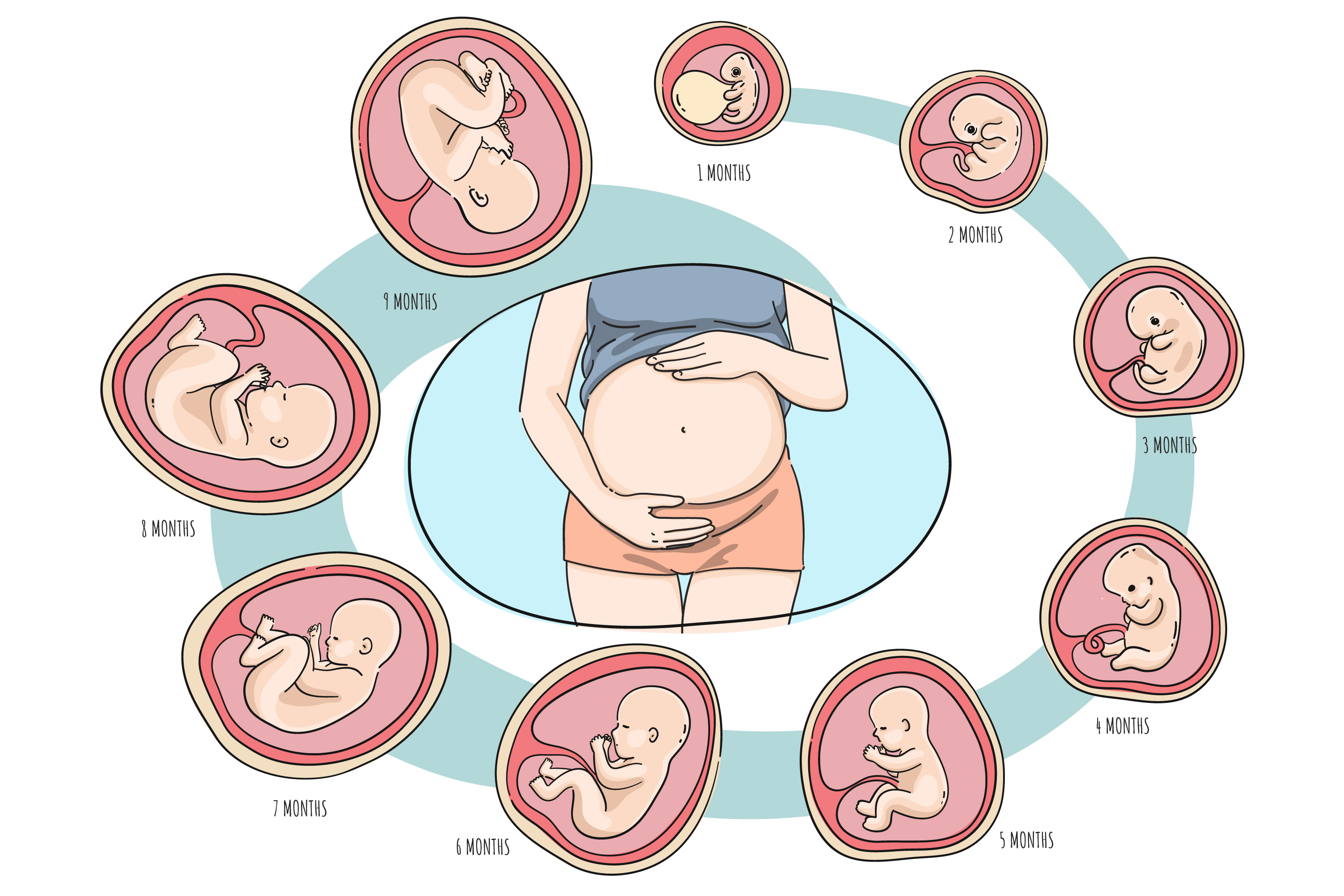
In most clinics and pregnancy tools, “weeks pregnant” refers to gestational age:
- It counts from the first day of your last menstrual period (LMP).
- This means the first two weeks of the count happen before conception, during the menstrual cycle leading up to ovulation.
So if your last period started 8 weeks and 3 days ago, you are usually said to be “8 weeks and 3 days pregnant,” even though conception likely happened about two weeks into that timeline.
Why it starts before conception
This way of counting dates back to long before ultrasound was widely available:
- People could usually remember their last period more easily than the exact day of conception.
- Using the first day of the period gave doctors a consistent, calendar-based starting point.
- Over time, test schedules and guidelines were built around this gestational age system.
Even today, when early ultrasound is common, the labels (8 weeks, 12 weeks, 20 weeks) still refer to gestational age, not the exact time since fertilisation.
Why your number may feel “too high”
It is very common to feel that the number is “ahead” of what you expect. For example:
- You might have taken a positive pregnancy test two weeks ago and feel “2 weeks pregnant”, but the clinic says “4 weeks”.
- You might think conception happened 6 weeks ago, but you are told you are 8 weeks pregnant.
Both experiences are a natural result of this counting system. The difference usually comes from:
- The two-week gap between the start of the period and expected ovulation.
- The time between conception and when you took a test or saw a clinician.
How ultrasound can update your week number
Early ultrasound can refine how far along the pregnancy actually is:
- The sonographer measures the baby and compares the size with standard growth charts.
- From that, they estimate gestational age and may adjust your due date.
When this happens, your “weeks pregnant” number may jump forwards or backwards slightly, even if not much time has passed on the calendar. It can feel strange, but it is simply a recalibration of the starting point.
Why different tools show different week numbers
Different apps and calculators may:
- Use slightly different assumptions about cycle length.
- Round weeks and days differently (for example, rounding up vs always rounding down).
- Adopt ultrasound-based dates at different times (some rely only on LMP).
Because of this, your gestational age might appear as 9 weeks 1 day in one tool and 8 weeks 6 days in another. Small differences like this are usually not a cause for concern.
Which week number should you follow?
When you have multiple week numbers from different sources, it is safest to follow:
- The gestational age and due date given by your healthcare team, especially if they have used early ultrasound.
- The week number that appears on your clinic letters and scan reports.
You can still use apps and calculators to explore timelines and milestones, but your own care team’s numbers should guide any
Try the calculators
More in Pregnancy weeks
 Pregnancy Weeks vs Months: Why the Numbers Never Match Perfectly10 September 2026
 Why Pregnancy Is Counted From Your Last Period, Not Conception3 September 2026
 Understanding Trimester Boundaries: Where One Stage Ends and Another Begins24 July 2026